
Signs a Child May Be Internalizing Trauma
Children are remarkably resilient, but resilience doesn’t mean they’re unaffected by painful or traumatic experiences. Knowing the signs of trauma in children can make all the difference in how quickly a child receives the help they need. Some kids process difficult events quietly, keeping their distress hidden beneath the surface.
When adults can spot these signs early, children can get support before lasting patterns take hold. Internalized trauma in children can be easy to miss if you don’t know what to look for.
What Does Internalizing Trauma Mean?
When children internalize trauma, they turn their pain inward rather than expressing it outwardly. While some children act out, others become withdrawn, anxious, or physically unwell. These internalizing responses are easy to overlook because they don’t usually cause obvious disruptions. A child who quietly suffers won’t raise red flags the way a defiant child might. That silence can delay support for months or even years.
Common Signs of Trauma in Children
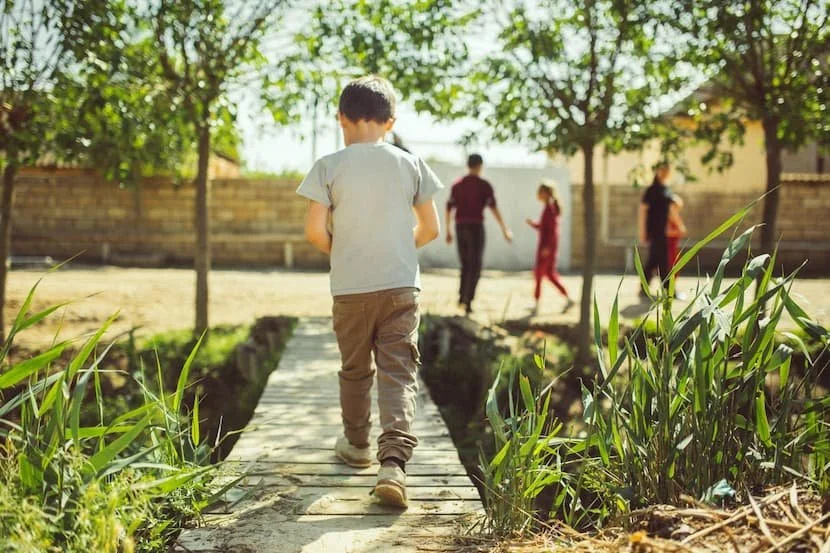
The signs of trauma in children who internalize their distress often appear gradually. Parents may notice small changes that seem unrelated at first. One week, the child may seem a little quieter than usual. A few weeks later, sleep problems emerge. Over time, a pattern emerges that points to something more than an off day. Watch for the following:
Increased worry, fearfulness, or separation anxiety that seems out of proportion
Withdrawal from friends, family, or activities the child once enjoyed
Frequent physical complaints, such as headaches or stomachaches without a medical cause
Nightmares, difficulty falling asleep, or sleeping more than usual
A drop in school performance or difficulty concentrating
Excessive guilt or a belief that they are to blame for bad things that happen
Loss of previously mastered skills, such as bedwetting in a child who had outgrown it
Not every child will show all of these signs. Some will show just a few. What matters is noticing a change from the child's baseline behavior that persists over time.
Why Children Internalize Trauma
Children often internalize trauma because they lack the words or emotional tools to express what they are feeling. They may also sense that the adults around them are stressed and don’t want to add to the burden. Some children believe their feelings are shameful or wrong. Others simply don’t understand why they feel the way they do.
Trauma can come from many sources, including abuse, neglect, loss, witnessing violence, accidents, medical procedures, or ongoing family conflict. The experience doesn’t have to be a single dramatic event. Repeated smaller stressors can accumulate and produce signs of trauma in children just as readily as a one-time crisis.
Trauma Can Affect Development
When trauma goes unaddressed, it can interfere with a child’s emotional and physical development. Children may struggle to form trusting relationships or perform well academically. Over time, internalized trauma can contribute to anxiety, depression, and low self-worth. The earlier treatment begins, the better the outcomes tend to be.
Parents sometimes worry that bringing up a difficult experience will make things worse. However, the opposite is actually true. Children who receive child therapy benefit from having a safe, structured space to process what happened. Trauma treatment supports that process with professional guidance.
Helping Your Child Heal
If you have noticed signs of trauma in your child, professional support can help. A trained therapist works with children to help them process difficult experiences in ways that are age-appropriate and effective.
Child therapy for trauma uses evidence-based approaches to build coping skills, restore safety, and strengthen the child’s ability to handle challenges. Investing in early support gives your child the tools to process their pain and reclaim a bright, resilient future. When you’re ready to explore deeper, give us a call and schedule a consultation.