
Is Emotional Eating an Anxiety Response?
Many people reach for food when stress, sadness, or worry sets in. Anxiety treatment professionals often see this pattern of turning to food not out of hunger, but as a way to cope with overwhelming emotions. Emotional eating and anxiety are connected, and that connection can keep you stuck in a cycle that's hard to break. If food has become your go-to comfort during stressful moments, there may be something deeper worth exploring.
What Is Emotional Eating?
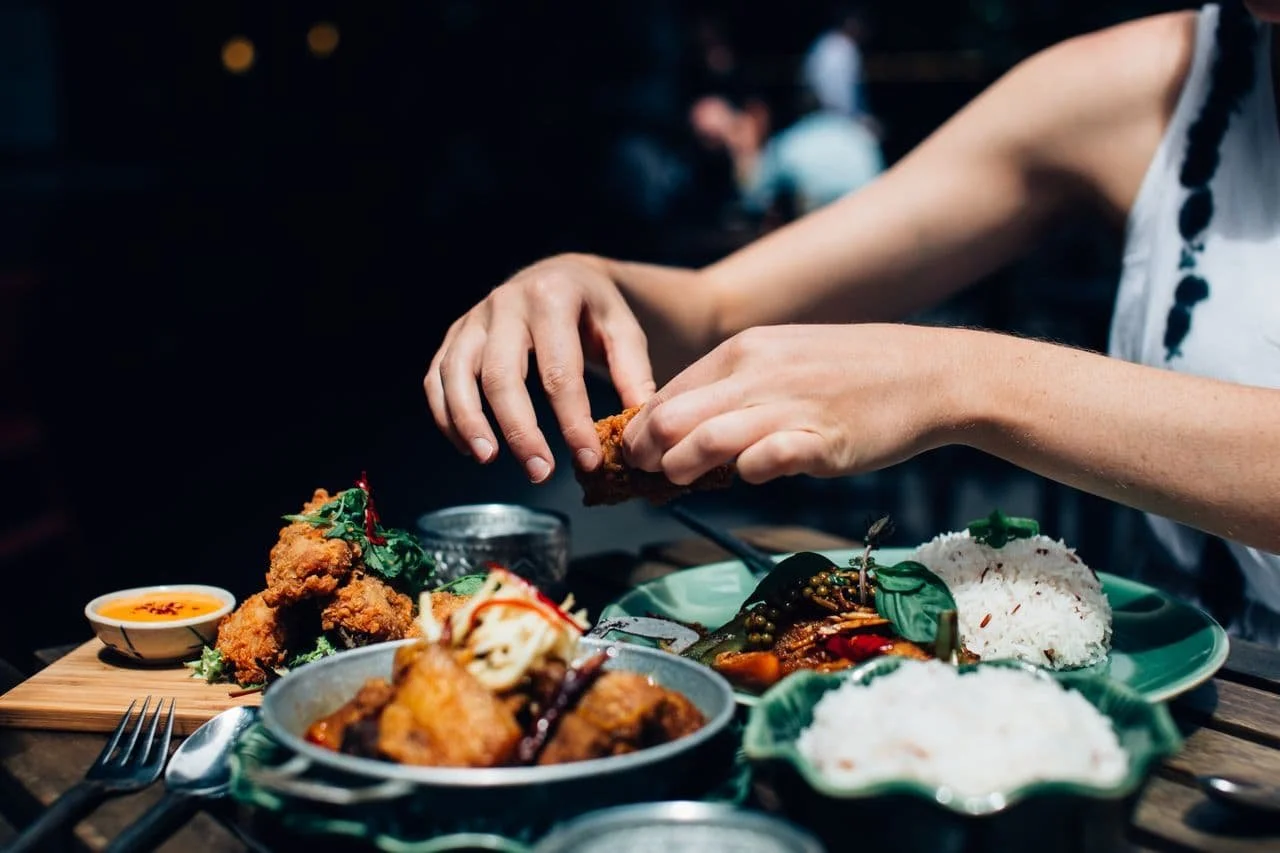
Emotional eating occurs when individuals eat in response to feelings instead of physical hunger. Instead of eating because your body needs fuel, you eat to soothe discomfort, escape stress, or fill an emotional void. The trigger can be anything, whether it's a tough day at work or a disagreement in a relationship.
This kind of eating often involves comfort foods that are high in sugar, fat, or salt. These foods activate the brain's reward system, providing a brief sense of relief. But that relief fades fast, leaving guilt and the same unresolved feelings behind.
A Common Cause of Emotional Eating
Anxiety does more than create mental distress; it also produces real physical sensations. Tightness in the chest, an unsettled stomach, restlessness, and muscle tension are all common. For many people, eating helps to quiet those feelings, at least temporarily. Anxiety treatment specialists note that when your body is flooded with stress hormones, it naturally craves fast relief. This is a primary drive to soothe yourself with food.
When anxiety spikes, the brain looks for a quick escape. Sugary or high-carb food options trigger a release of serotonin and dopamine, chemicals that cause a short burst of calm. Over time, the brain learns to associate eating with that relief. That's when emotional eating starts to feel automatic rather than intentional.
Clues That Anxiety Controls Your Appetite
It's not always easy to tell whether you're eating because you're hungry or because you're anxious. Some signs may be relevant:
Eating when you feel tense, worried, or overwhelmed rather than physically hungry
Craving specific comfort foods when stress is high
Feeling out of control around food during emotionally difficult moments
Eating quickly and mindlessly
Feeling shame or regret after eating, which then triggers more anxiety
These signs point to a cycle. Anxiety fuels emotional eating, and emotional eating fuels more anxiety.
Willpower Alone Doesn't Work
Many people try to stop emotional eating through restriction and discipline. But willpower isn't the issue. Emotional eating is now a coping mechanism. It developed because something was needed to manage difficult feelings. Without addressing the underlying anxiety, the behavior will persist or simply shift to something else.
This is when counseling can make a real difference. Therapy helps you identify emotional triggers, build healthier coping strategies, and work through the anxiety driving the cycle. Rather than fighting the behavior in isolation, therapy treats the root.
Breaking the Cycle
A few practical steps can support change alongside therapy. Consider the following strategies:
Pause Before Eating
When a craving hits, check in with yourself. Ask whether you're physically hungry or emotionally triggered.
Name the Feeling
Putting a word to what you're experiencing, such as stressed, lonely, or scared, can reduce its intensity. This gives you room to choose something different.
Build Alternative Outlets
Movement, journaling, calling a friend, or stepping outside can offer relief without the aftermath of emotional eating.
Seek Support
Anxiety and emotional eating rarely resolve on their own. Working with a therapist who understands the connection can accelerate meaningful change.
Get the Support You Need
If emotional eating feels like it's running the show, anxiety treatment may be the missing piece. Therapy focused on treatment for anxiety can help you understand what's fueling the cycle and give you the tools to respond differently.
Get in touch with us to schedule a consultation. This conversation could be the turning point that allows you to take back control.