
Processing Trauma Through Art Therapy
When you've experienced a traumatic event that's difficult to process, art therapy may offer a release. Sometimes, talking about it helps, but it isn't always enough. That's where art therapy comes in.
Through drawing, painting, collaging, or sculpting, you can begin to move the emotions and thoughts that feel stuck. Research supports this, and thousands of people have found real relief through this creative, body-centered approach to healing. If you've ever felt like language falls short of what you've been through, then art therapy may be the answer you need.
Trauma Lives Beyond Words
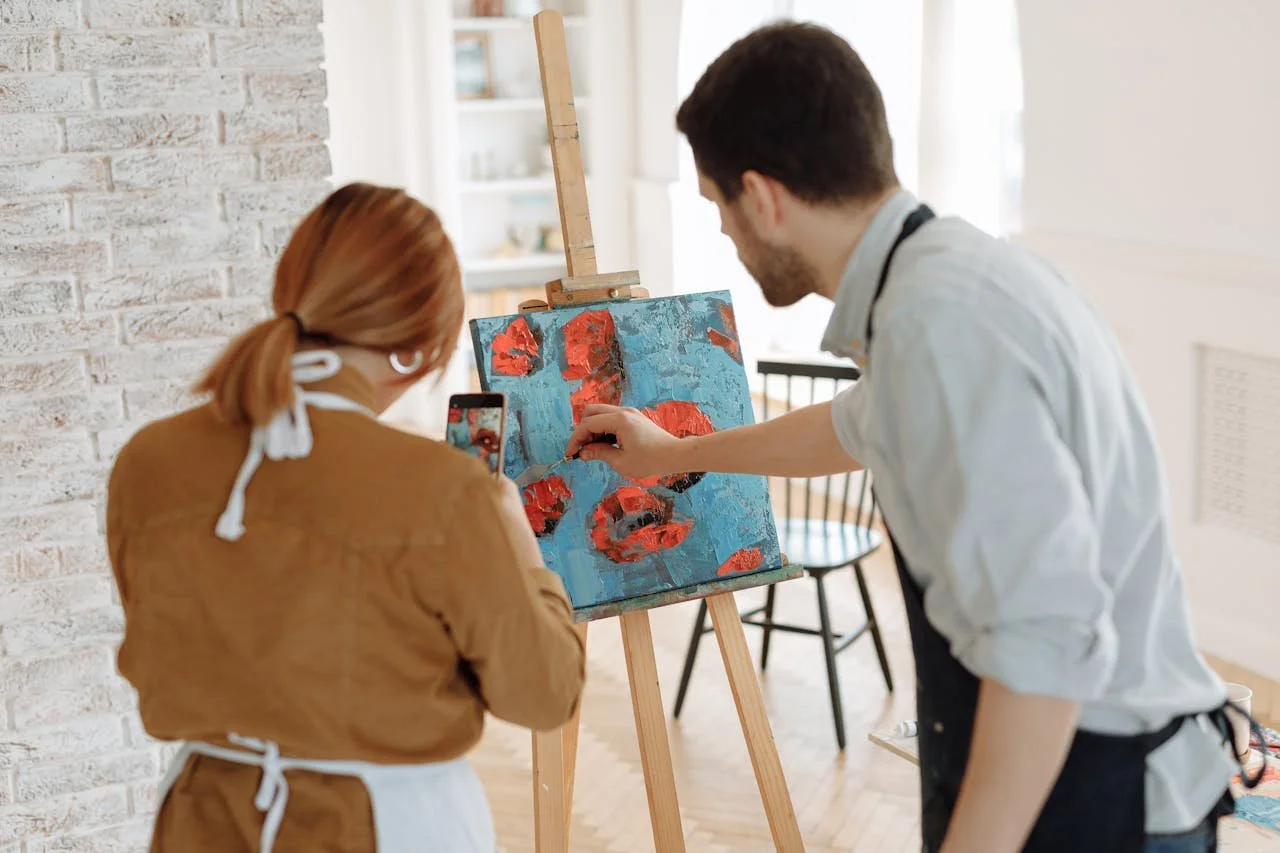
Trauma affects how your nervous system responds to your environment. After a difficult experience, your brain may struggle to process what happened in a logical way. That's why you might find it hard to explain what you felt or still feel.
Art therapy for trauma lets your hands and imagination lead, bypassing the part of your brain that gets tangled in explaining things. For many people, this simple action brings a sense of relief they haven't felt in a long time.
What Happens in an Art Therapy Session
The number one thing to remember about art therapy is this: You don't need to be a talented artist. That's one of the biggest misconceptions about this approach to trauma. An art therapist isn't grading your drawings or evaluating your technique; they help you use creative expression as a tool for healing.
Sessions are guided but flexible. Your therapist might ask you to draw how your body feels or create a visual timeline of your life. Simply responding to color and texture without any specific goal in mind is therapeutic.
Trauma-informed therapy principles shape how these sessions are structured from start to finish. Your therapist will prioritize your sense of safety and control every step of the way. You decide how much to share, what materials to work with, and when you're ready to go deeper. The ability to choose is intentional, and you get to decide how fast or slow you go.
The Science Behind the Process
Studies show art therapy for trauma can meaningfully reduce symptoms of PTSD, anxiety, and depression. One key reason is that creative work activates areas of the brain associated with emotional regulation and memory processing. When you make something with your hands, you engage your senses, helping you feel grounded and safe.
Art therapy for trauma also restores something that painful experiences tend to take away: your freewill. The creative process can be a reminder that you have power. After experiences that stripped that feeling away, that nudge matters more than most people expect.
Who Can Benefit from Art Therapy?
Art therapy benefits survivors of childhood abuse, combat veterans, those grieving, and anyone who has experienced a life-changing event. It works well alongside other approaches, and many therapists integrate it into a broader trauma-informed therapy plan. If you've tried traditional talk therapy and felt like something was missing, this might be the bridge you've been looking for.
Art therapy is practiced in various settings, such as private practices, hospitals, community mental health centers, and schools. Access is growing, and many therapists now offer virtual sessions for those who can't attend in person.
When You're Ready
Healing from trauma can feel slow, and some days will be harder than others. That's simply the reality of the healing process. But if you've been carrying something heavy and haven't found a way through it yet, art-based therapy may open a door that other approaches haven't.
When you’re ready to learn more, schedule a consultation. We can help you create a plan tailored to your needs and experiences. You can stop relying only on words and start using your own hands to reshape how you carry your story.