
How to Deal with Feeling Like You're Behind in Life
Scrolling through a friend's engagement post at midnight can make your stomach drop, even on a good day. That familiar spiral is why so many people lie awake comparing their timeline to everyone else's highlight reel. It is also the reason they end up searching for how to stop feeling behind in life.
Careers, relationships, and milestones do not happen on a fixed schedule, no matter how much social media makes it seem so. Learning to slow that spiral starts with questioning the timeline itself, not chasing someone else's version of success.
Where the Comparison Spiral Starts
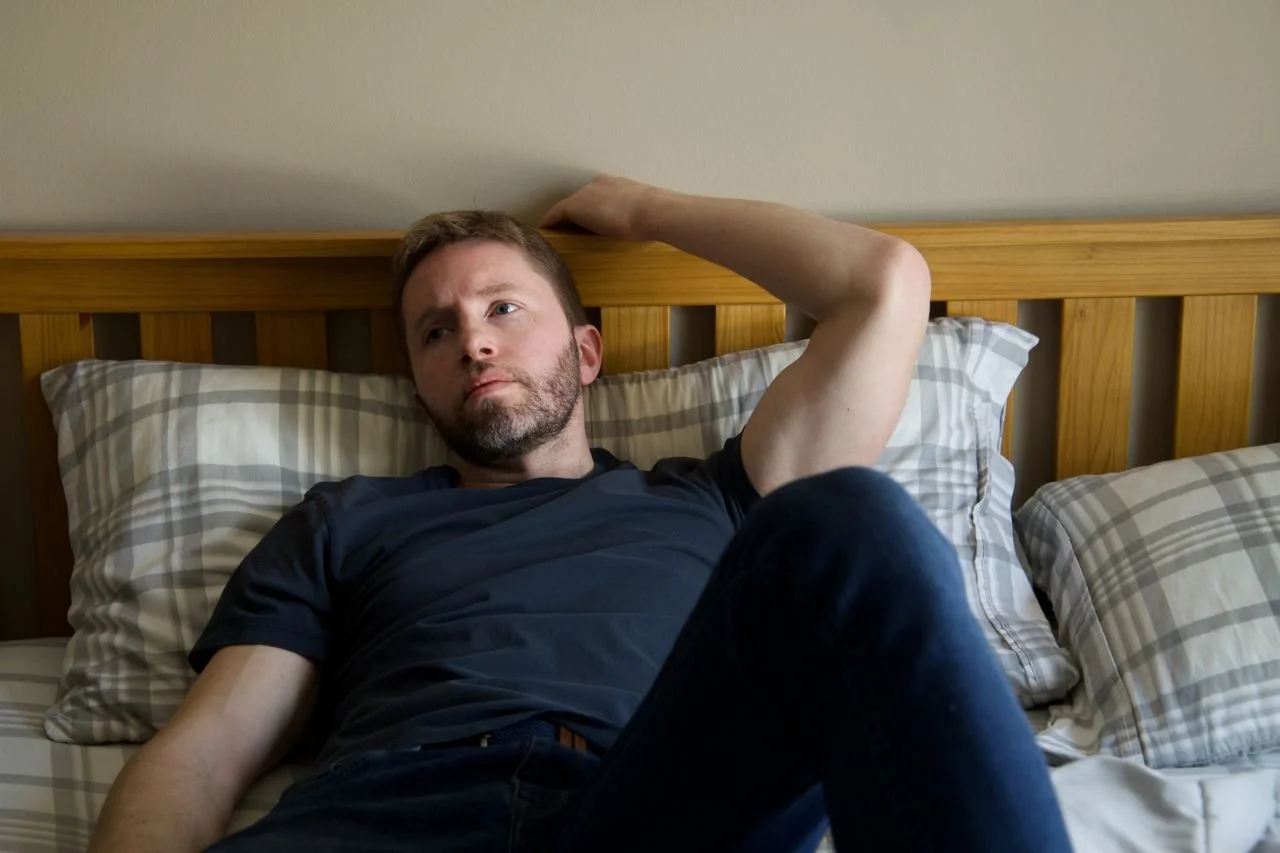
Most people learn they need to stop comparing themselves to others the hard way. The realization often comes after a scroll session leaves them exhausted and discouraged.
Social media feeds are built to show highlights, not the full picture of someone's struggles, setbacks, or slow years. When you only see the finished product, your own in-progress life looks incomplete by comparison. This mismatch feeds a habit of measuring your worth against a curated version of someone else's high points.
Family gatherings and reunions can trigger the same response. A relative asking about your job, your relationship status, or what your plans are can turn a casual conversation into a scoreboard. Over time, that scoreboard becomes the mirror you look in to judge your own progress. That is one of the biggest obstacles to overcoming the feeling of being behind in life.
Coworkers add another layer to the comparison spiral. A colleague's promotion or a classmate's new house can trigger doubt about your choices, even if they made sense at the time. Finding out where these triggers come from makes it easier to separate someone else's path from your own progress.
Signs the Comparison Habit Has Taken Hold
A few patterns tend to show up when comparison becomes a daily habit. Below are some common examples:
Checking social media frequently and feeling worse afterward
Focusing on friends or siblings hitting major life milestones before you do
Downplaying your own wins because they arrived later than expected
Feeling behind at work, even when your performance reviews say otherwise
These patterns point to a larger pattern worth addressing directly, since overcoming self-doubt rarely happens by accident. It takes deliberate practice to notice the comparison and interrupt it before it worsens.
Practical Ways to Reset
Overcoming self-doubt starts with small, repeatable habits. Consider building a few of these into your week:
Boundaries: Set a specific time limit on social media apps tied to comparison triggers.
Journal: Write down three personal wins each week, no matter how small.
Reach out: Ask a trusted friend to remind you of your own progress when doubt creeps in.
Positive self-talk: Replace "I should be further along" with a specific, factual achievement.
These steps will not erase every uncomfortable moment, but they build a habit of noticing comparison before it takes over your mood. Over time, this practice becomes one of the best ways to stop feeling behind in life. It works because it targets your daily triggers instead of an abstract fear.
Working with a therapist can help you unpack how the comparison habit started. It can also help you stop comparing yourself to others in a way that lasts, especially when family history or past criticism is a factor.
What Next?
If comparisons keep pulling your attention away from your own progress, it’s time to change things. Working with a qualified counselor can help you establish a stronger foundation and feel more like yourself.
Counseling for young adults will help you map out how to stop feeling behind in life in a way that fits your specific circumstances. Reach out to schedule a consultation for social comparison anxiety. Start establishing a supportive daily routine, one that's tailored to your timeline, not someone else's.