
Art has long served as a way for people to say what words can't quite capture. So it makes sense that art therapy has earned real attention in mental health care.
Art therapy is a form of psychotherapy that uses the creative process as a tool for emotional healing. It uses drawing, painting, sculpting, and other creative activities to help people process difficult emotions. Alongside talk-based techniques, art therapy also reduces stress and improves overall well-being. But does it actually work, or is it just a feel-good activity?
Art Therapy in Practice
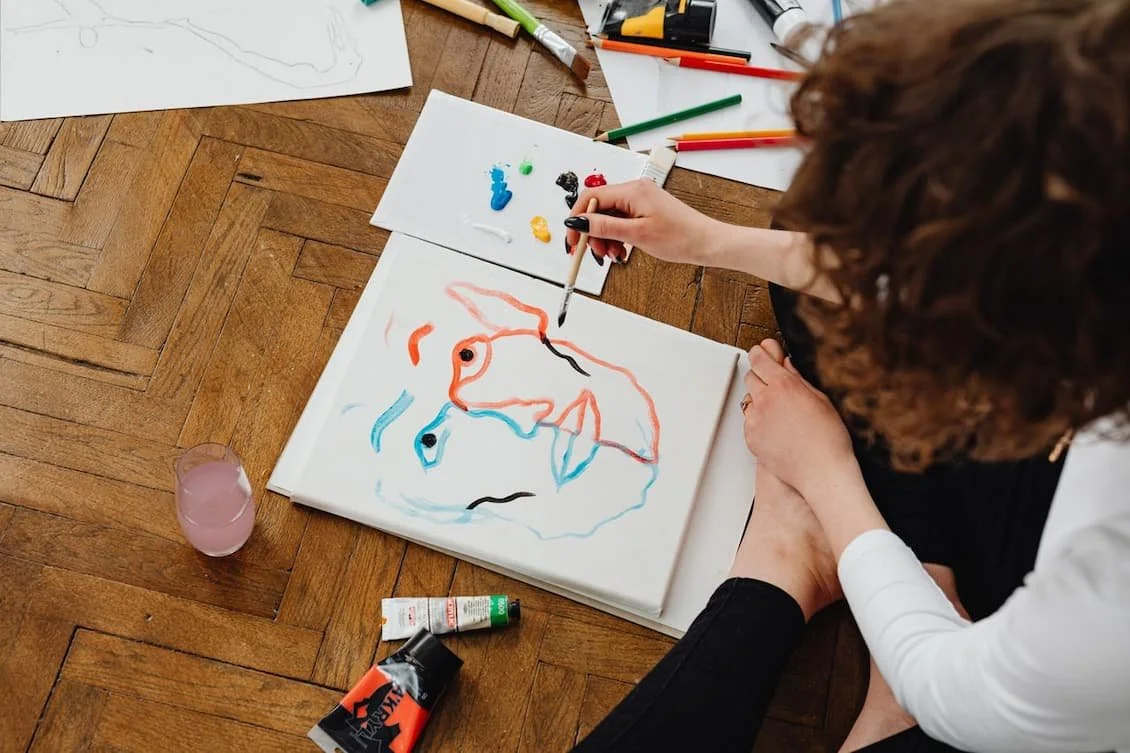
Art therapy sessions are guided by a trained therapist, not an art teacher. No artistic ability is required because the focus is never on producing something beautiful. Instead, the goal is to use creative expression to explore thoughts and feelings that may be hard to verbalize. Sessions might involve the following:
Drawing or painting to externalize internal emotional states
Collage-making to explore identity or life experiences
Sculpting with clay to process grief, anger, or trauma
Journaling with visual elements to track patterns over time
The therapist helps the person reflect on what they created and what it might reveal about the emotional baggage they're carrying.
The Evidence
Art therapy has been studied in a wide range of populations, and the findings are promising. Research has demonstrated that it can help reduce symptoms of anxiety, depression, and PTSD. It has also shown positive results for people managing chronic illness, eating disorders, various traumas, and grief.
One reason art therapy works is that it engages the brain differently than talk therapy alone. When someone creates something, they activate parts of the brain associated with sensory experience and emotion regulation. This can make it easier to access hidden or fragmented memories. Or feelings that are otherwise difficult to reach just through conversation.
Art therapy is also useful for children and teens. It opens an avenue for them to express feelings they might not yet have the words or emotional maturity to articulate. Visual and creative processes can give younger clients a way to communicate that feels less intimidating than a face-to-face conversation.
Who Can Benefit
Art therapy is not limited to those with a formal diagnosis. People dealing with everyday stress, such as life transitions, relationship difficulties, or a general sense of feeling stuck, can also find it helpful.
The benefits of art therapy tend to be most significant when integrated into a broader therapeutic approach rather than being used on its own. Some populations that commonly benefit include the following:
Children and adolescents working through behavioral or emotional challenges
Adults processing trauma, grief, or major life changes
Individuals managing anxiety or depression who find traditional talk therapy limiting
People with chronic illness or pain who need nonverbal outlets for processing their experience
Creative Expression Is a Path to Self-Awareness
One of the most consistent findings in art therapy research is that creative expression helps people build self-awareness. When you create something and then reflect on it with a therapist, you notice things about yourself that might not have surfaced otherwise.
Patterns emerge. Emotions become visible. Regardless of the specific issue being addressed, that process of seeing yourself more clearly can be extremely valuable.
Art therapy also tends to reduce the pressure that some people feel in traditional therapy settings. The act of making something shifts focus away from "saying the right thing.” It moves it toward a more relaxed, exploratory state, which can make it easier to open up.
Ready to Learn More?
Art therapy offers a powerful complement to traditional mental health treatment, and its benefits are backed by a growing body of research. If you or someone you know might benefit from a different approach, reach out to us for a consultation. Art therapy offers a unique way to process your emotions when words just aren't enough.