
Parents frequently pursue anxiety therapy for children because separation anxiety has become a primary concern in their household. This typical childhood experience involves strong feelings of distress when a child expects or faces separation from their main caregivers.
While some separation worry is normal, especially in younger children, excessive anxiety can disrupt daily activities like school or sleeping alone. When fears persist beyond typical developmental phases, seeking professional support and tailored strategies can significantly improve your child’s behavior.
What Separation Anxiety Looks Like
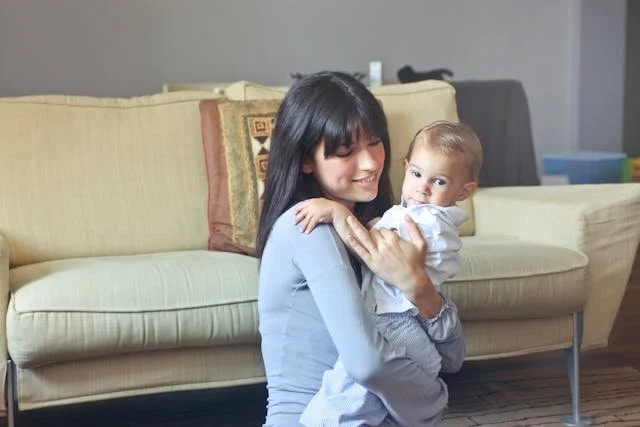
Separation anxiety in children manifests differently depending on age and temperament. Young children might cling to parents, cry intensely when dropped off at school, or refuse to sleep alone. Older children may complain of physical symptoms like stomachaches or headaches before anticipated separations. Some children worry excessively about harm coming to their parents while apart, creating elaborate worst-case scenarios that haunt their minds.
An anxious child experiencing separation difficulties might shadow parents around the house or struggle with transitions between activities. These behaviors stem from genuine fear rather than attention-seeking behavior.
The Roots of Separation Anxiety
Several factors contribute to separation anxiety in children. Temperament plays a significant role. Some children naturally experience the world as more threatening than others.
Major life changes, such as moving, changing schools, or stress in the family, can trigger or intensify separation anxiety. Additionally, parenting responses to a child’s distress can inadvertently reinforce anxious behavior patterns.
Anxiety therapy for children often explores how well-meaning protective responses actually maintain the anxiety cycle. When caregivers consistently accommodate avoidance or provide excessive reassurance, children miss opportunities to learn that they can tolerate the discomfort of separation.
Supporting Children Through Their Fears
By focusing on small, manageable wins, you can help your child shift from a place of fear to a place of capability. Below are some practical strategies parents can implement at home to help a child build confidence and security:
Establish predictable goodbye routines: Creating a short, consistent ritual provides a sense of safety. Brief, confident departures work much better than lengthy, apologetic ones that might signal uncertainty or fear to your child.
Validate feelings while maintaining expectations: You can balance emotional support with growth by acknowledging their struggle without removing the goal. Instead of saying “there is nothing to worry about,” try saying, “I know this feels hard right now, but I’m confident you can handle it.”
Practice gradual exposure: Building tolerance takes time and repetition. Begin with short separations in low-pressure settings, such as leaving your child with a trusted relative for an hour. Once they are comfortable with that, gradually move to longer periods, such as school days or overnight stays.
When Professional Support Helps
Anxiety therapy for children is beneficial for separation fears that significantly impact functioning or persist beyond typical developmental windows. Therapists work with families to develop individualized plans that meet a child where they are while building the skills they need to grow.
Professional treatment often involves teaching children concrete coping strategies and helping parents respond effectively to the child’s anxiety. Many approaches emphasize helping families understand how anxiety works so they can respond in ways that build long-term resilience rather than temporary relief.
Separation anxiety in children responds well to intervention when families commit to consistent practice and appropriate challenges. Children learn they can handle uncomfortable feelings and that separations, though sometimes hard, don’t lead to the worst outcomes their anxiety predicts.
What You Can Do Now
If your child’s separation anxiety interferes with daily life, professional counseling can help. Therapy helps both children and parents develop skills to address current difficulties and build confidence for future challenges.
Contact us to be connected with a therapist specializing in anxiety therapy for children. You can help your child find their brave voice and step into the world with confidence.