
Raising and Supporting Biracial Children
Raising a biracial child brings joy, curiosity, and real responsibility. Families often celebrate multiple cultures, languages, and traditions. At the same time, biracial children can face unique social pressures that many parents do not expect. Support matters most when it shows up in daily conversations, school advocacy, and how adults respond to questions about identity.
This topic deserves transparency since biracial children are subjected to a unique social and cultural experience. Love alone is important, but it is not enough. Biracial children benefit from adults who stay informed, observant, and willing to do their own work.
Identity Starts Early
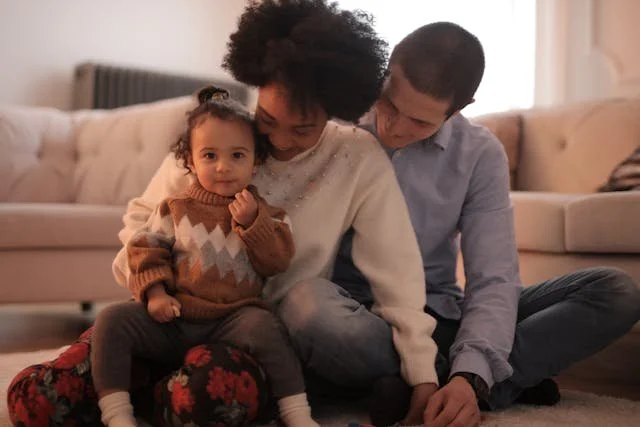
Children begin noticing differences earlier than many adults realize. Skin tone, hair texture, and last names all become part of how children understand themselves and others. Biracial children often receive questions from peers that range from curious to invasive. Some may feel pressure to explain their family or choose one identity over another.
Parents can help by naming differences without assigning value. Use clear, age-appropriate language. Avoid telling children they are “the same” as everyone else. That message can feel comforting, but it can also erase real experiences. Instead, acknowledge that differences exist and embrace that part of their identity.
When the World Responds Poorly
Biracial children often encounter comments from adults who mean well but miss the mark. Questions such as, “Are you Black or are you White? You have to pick one,” or praise tied to appearance can create confusion or shame.
Children watch closely to see how caregivers respond. Practice calm, direct responses. Model boundaries. Let children know they do not owe anyone an explanation of their identity. Validate their feelings when interactions feel uncomfortable. This builds confidence and trust.
Representation Matters More Than You Think
Children look for themselves in books, media, classrooms, and leadership. When they do not see people who share their experiences, they may assume something is missing or wrong. Parents can be intentional about representation at home and in school settings.
Choose books, shows, and activities that reflect mixed-race families and individuals. Seek out mentors, teachers, or community spaces where diversity is visible and respected. Representation should not be limited to special occasions or history months.
Talking About Race Without Fear
Avoiding conversations about race does not protect children. It leaves them unprepared. Biracial children need clear guidance on how race operates in society, including bias and unfair treatment. Use real-life examples when appropriate. Keep the tone grounded and factual. Invite questions and admit when you do not have all the answers. Children benefit from caregivers who listen more than they lecture.
Supporting Emotional Health
Biracial children may struggle with belonging at different points in their lives. Some feel too different in one space and not enough in another. These feelings can shift over time, especially during adolescence. Pay attention to changes in mood or self-esteem. Encourage open conversation without rushing to fix the problem. Sometimes children need space to name their experience before adults offer solutions.
Professional support can be helpful when identity stress affects daily life, school performance, or relationships. Therapy provides a neutral space to explore feelings without pressure to perform or explain.
Finding the Support Your Family Deserves
Supporting a biracial child means showing up consistently when identity questions, social stress, or emotional reactions surface, even when there are no simple answers. When these experiences go unaddressed, they often appear later as behavior changes, school challenges, or relationship strain.
Children's therapy offers a space where kids can explore race, belonging, and emotions without pressure to explain or minimize their experiences. It also gives parents practical guidance on advocacy, communication, and support. If your family is navigating these concerns, getting in contact with our office can provide your child with a steady, affirming environment to feel understood and supported as they grow.