
Is Emotional Eating an Anxiety Response in Children?
Emotional eating affects children, and anxiety is frequently the driving force behind it. When kids turn to food for comfort, it often follows a stressful day or a difficult interaction. Sometimes, it's simply a response to a wave of worry they can't quite name.
In these moments, reaching for a snack is rarely about hunger. It's about regulation. Your child might reach for food when they feel overwhelmed or shut down. If they frequently seem on edge, emotional eating may be their way of coping with stress they don't yet have the tools to manage.
What Emotional Eating Looks Like in Kids
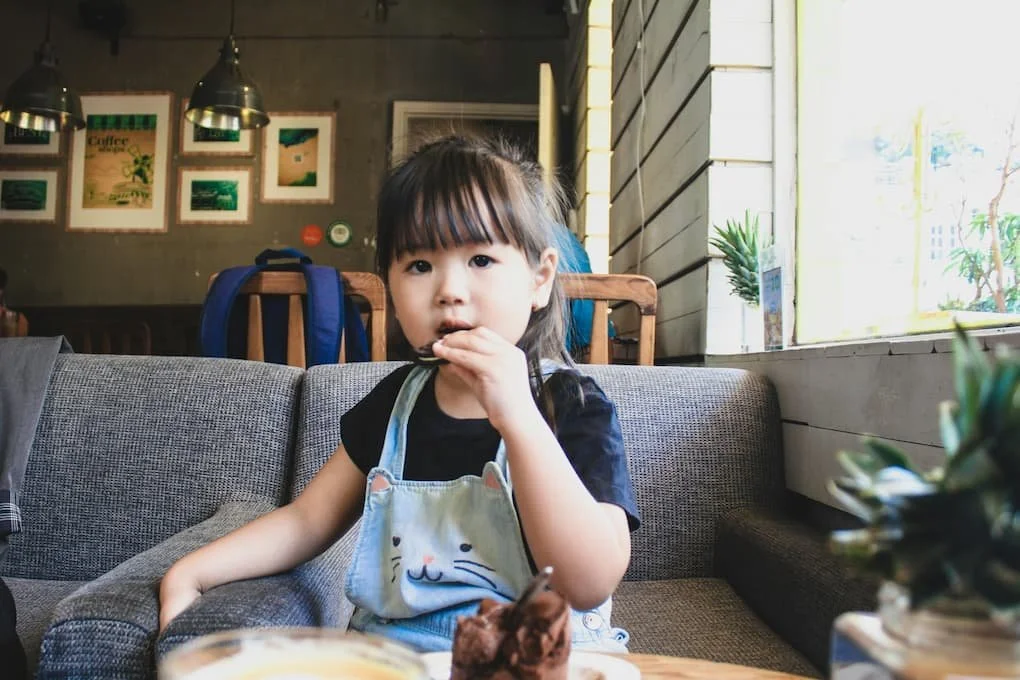
Emotional eating isn't always obvious. It doesn't always look like a child eating an entire bag of chips after school. Sometimes it's subtle, like grazing without stopping or asking for food after stress. Your child might only seem calmer after eating something sweet or salty. Below are some common signs to watch for:
Eating in response to frustration, boredom, or nervousness rather than hunger
Feeling better after eating but returning to distress shortly after
Difficulty stopping once they've started, even when full
Sneaking food or hiding what they've eaten
Strong emotional reactions when food is restricted or unavailable
These behaviors don't mean your child lacks willpower or discipline. But they can be a sign that your child is overwhelmed and reaching for the most accessible calming tool they have.
The Connection with Anxiety
Anxiety triggers the body's stress response, which includes elevated heart rate, shallow breathing, and muscle tension. For children who haven't yet developed strong coping skills, food can temporarily quiet that physiological noise. Eating activates the brain's reward system and releases feel-good chemicals that provide short-term relief from anxious feelings.
This is why emotional eating functions as an anxiety response for many children. The behavior gets reinforced over time: anxiety rises, food soothes, and anxiety eases. The cycle repeats until food becomes the default response to any emotional discomfort.
How Parents Can Help
Supporting a child who uses food to cope with anxiety starts with understanding why they're doing it to begin with.
Before addressing the eating behavior itself, focus on what lies beneath it. Talk with your child about how they feel when they're anxious. Help them put a name to those feelings and notice what happens in their bodies, such as a tight chest, fast heartbeat, or stomach flutter. Then they can start to identify their stress signals before reaching for food.
A few strategies that you can consider include the following:
Build an emotional vocabulary. Kids who can name their feelings are better equipped to handle them. Practice identifying emotions during calm moments, not just during stressful ones.
Offer movement as a release. Physical activity helps discharge anxious energy. A short walk, jumping jacks, or dancing can interrupt the anxiety-to-food cycle.
Create structure around meals and snacks. Predictable eating schedules reduce food anxiety and give kids fewer opportunities to use eating as a form of emotional regulation.
Stay calm and non-judgmental. Shame makes emotional eating worse. A neutral, supportive response keeps the lines of communication open.
When to Seek Professional Support
If emotional eating affects your child's relationship with food or is linked to signs such as avoidance or worry, professional guidance can help. Our therapists can help your child build the coping skills they need to manage anxious feelings without relying on food.
Anxiety therapy for children also gives parents concrete tools to support their child at home, not just in the therapy room. Early intervention tends to produce better outcomes, so reaching out sooner rather than later is worth considering. If you're concerned about your child's emotional eating and want to explore support options, contact us to schedule a free consultation and learn how we can help.